
Gut Instincts: How Pro & Prebiotics Support Your Health from the Inside Out
East Cobb Counseling

Republished from foodrevolution.org • Blog Credit: Hannah Sentenac


Gut Instinct: How Probiotics and Prebiotics Support Your Health from the Inside Out


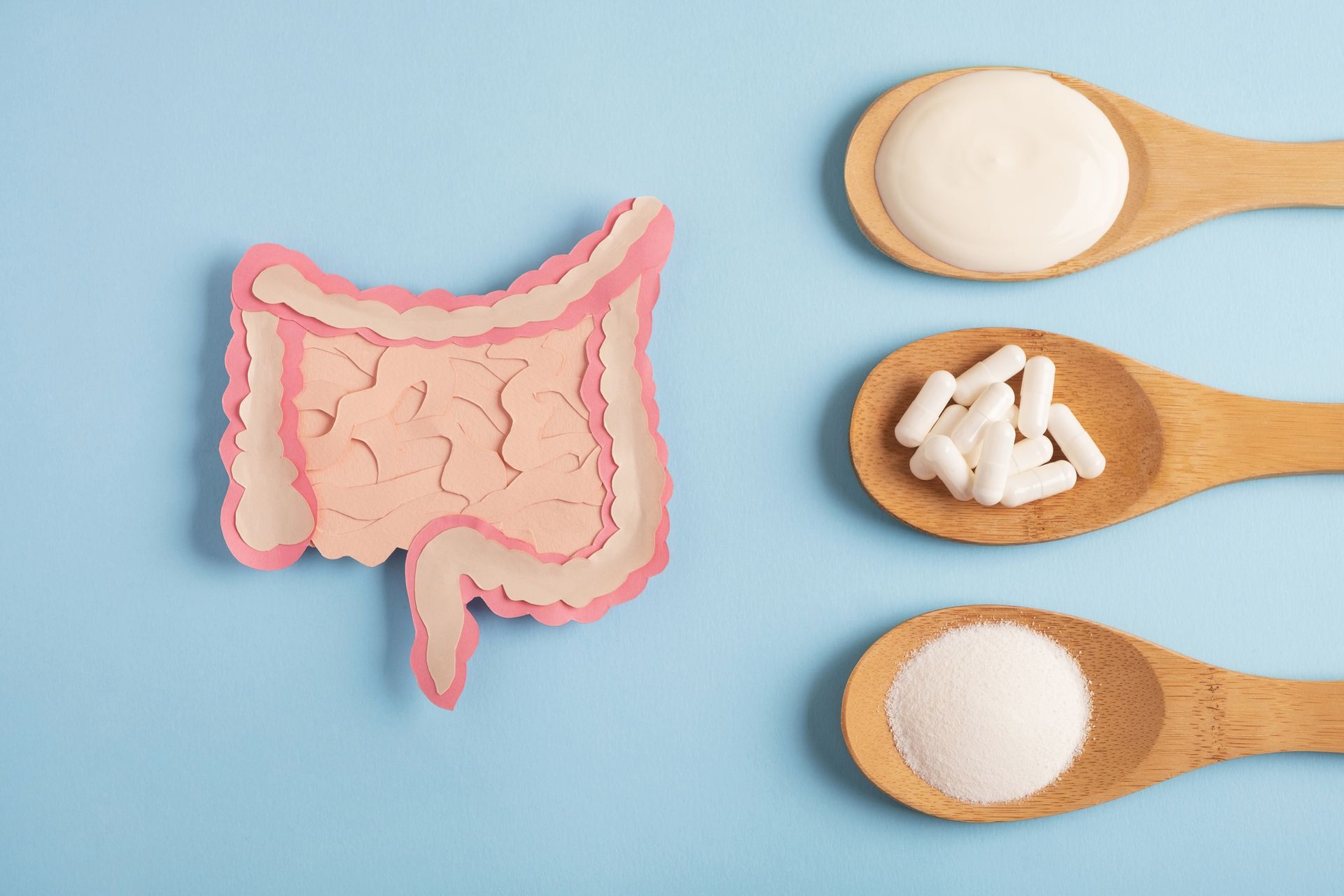
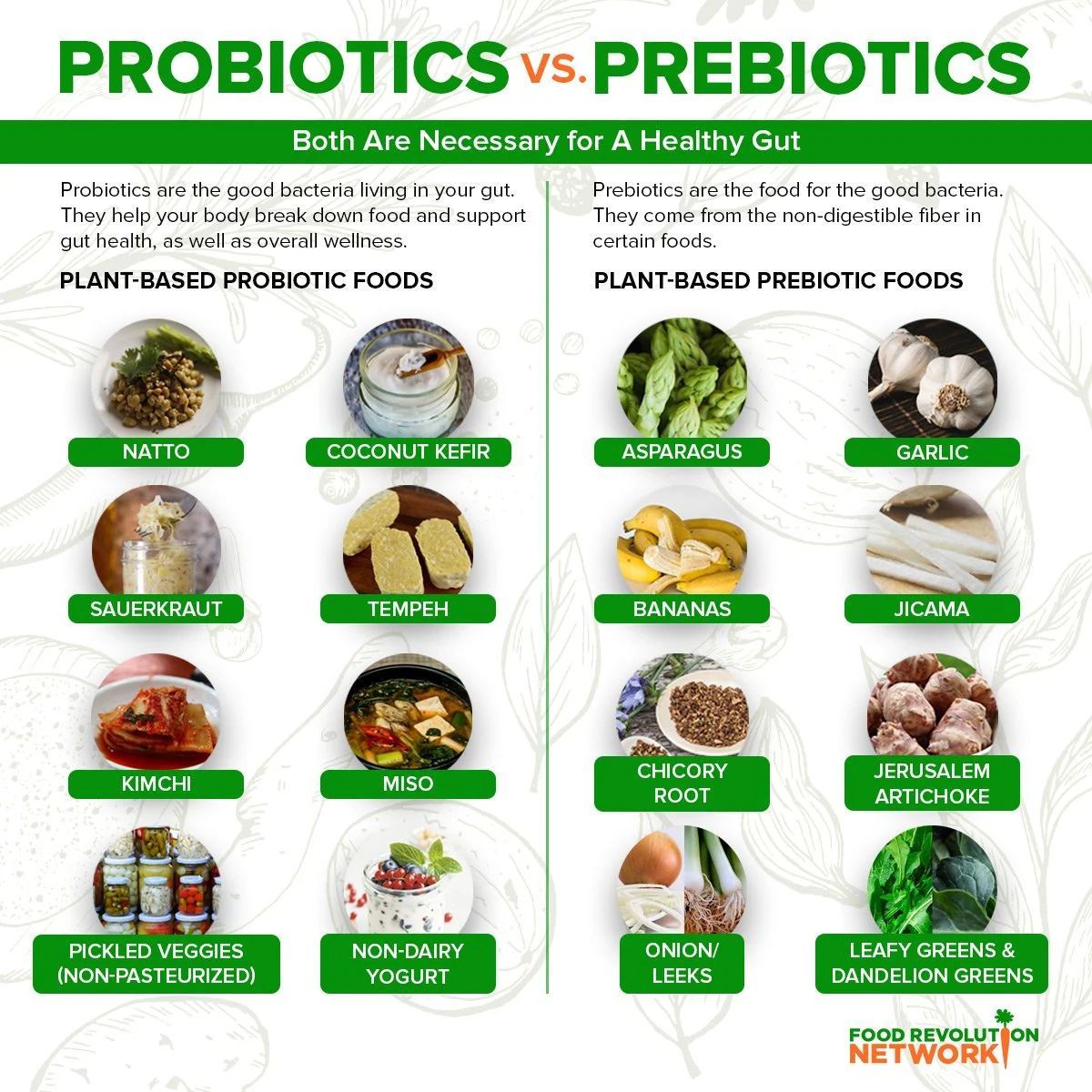
Probiotics are the good bacteria living in your gut.  (You have both good and bad bacteria in your body, and a balance is necessary for a healthy gut.)


Probiotics help you in a variety of ways:


  • They break down and digest food.

  • They support overall gut health.

  • They ensure the immune system works well.

  • They also play a role in how you think and feel. Gut bacteria can improve the production and regulation of hormones, such as insulin and leptin. And they have been found to produce neurotransmitters, such as serotonin, dopamine, and GABA — which play a key role in your mood.


Prebiotics are the food for the good bacteria. They come from the non-digestible fiber in certain plant-based foods. With names such as oligosaccharides, galactooligosaccharide, and inulin, they stimulate the growth and activity of your body’s beneficial bacteria (probiotics). All prebiotics are fiber, but not all fiber is prebiotic.


You need both probiotics and prebiotics.  They work together to support your microbiome — the community of trillions of bacteria in your body that help it function properly.


It’s a synergistic relationship. Without prebiotics as fuel, probiotics would starve — leaving you open to a host of problems, such as leaky gut, a compromised immune system, and constipation. And with no probiotics around to eat them, prebiotics would be of little value to your gut.


Probiotic Benefits: What These Friendly Bacteria Can Do for You


Some of the health benefits that science is discovering about probiotics include:


  • Improving gut health.  Probiotics are known to be good for your digestion, your ability to stay regular, and reducing diarrhea. A healthy digestive system will help minimize gas and bloating. Probiotics may be able to help improve symptoms of inflammatory bowel disease (IBD), irritable bowel syndrome (IBS), Crohn’s disease (an autoimmune disease), urinary tract infections, and other health conditions.


  • Improving the immune system. Probiotics have been shown to boost your immune system against various invaders. Having a healthy bacteria population in your gut protects you from bad bacteria, such as overgrowths of yeast, fungi, and viruses. For example, a 2003 study published in the journal Gut found that the strains Streptococcus thermophilus and Lactobacillus acidophilus protected cells against infection with E. coli. Another study found that women taking Lactobacillus crispatus reduced the risk of urinary tract infections (UTIs) by 50%.


  • Preventing and treating diarrhea. A 2010 study published in The Cochrane Database of Systematic Reviews found that probiotics can reduce the severity and duration of infectious diarrhea. Other studies have found that probiotics can also reduce the risk of diarrhea associated with antibiotic use. Lactobacillus rhamnosus, Lactobacillus casei, and the yeast Saccharomyces boulardii were found to be most effective for preventing the runs.


  • Boosting mental health. Your gut is sometimes called your “second brain,” and its balance of bacteria directly affects your mental health. In both animal and human studies, some strains of probiotics have been found to improve psychological conditions. A 2016 review published in the Journal of Neurogastroenterology and Motility found that probiotics helped with anxiety, depression, autism spectrum disorder (ASD), obsessive-compulsive disorder, and even memory issues. Bifidobacterium longum, Bifidobacterium breve, Bifidobacterium infantis, Lactobacillus helveticus, and Lactobacillus rhamnosus were the strains used in most studies.


  • Lowering blood pressure. A 2014 review of nine studies published in the journal Hypertension found that probiotics may help to reduce blood pressure. Multiple strains of probiotics (those with more than 10 million colony-forming units) were the most beneficial when consumed daily over eight weeks or more. The most commonly studied strains were Lactobacillus acidophilus and Bifidobacterium.


  • Losing weight. In a 2014 study published in the British Journal of Nutrition, women on a diet who took Lactobacillus rhamnosus for three months dropped 50% more weight. Another study found that Lactobacillus paracasei can actually block fat storage.


Probiotic Foods: Which Foods Are The Best Sources?


A variety of plant-based foods, particularly sour and fermented foods, contain beneficial, probiotic bacteria.


Some of the best probiotic foods include:


  • Sauerkraut:  A form of fermented cabbage, sauerkraut is full of probiotics created during the fermentation process. Freshly fermented is best, as it maintains the most nutrient density.


  • Kimchi: This traditional Korean food is made using fermentation with cabbage and other veggies.


  • Tempeh: A fermented soybean product that’s high in both protein and probiotics.


  • Miso: A staple in Japanese cuisine, miso paste is commonly used as a base for soups and as a flavoring in many dishes. While rich in probiotics, it’s also high in sodium so it may be best used in moderation.


  • Natto: An unusual food with a unique texture and flavor, Natto is made from fermented soybeans and is rich in probiotics.


  • Kefir: A cultured, probiotic food typically made with cow’s milk. To avoid the negative health effects of dairy, you can opt for coconut or water-based versions instead.

  • Yogurt: To stay plant-based, choose non-dairy varieties, which can also have probiotics. Steer clear of sweetened varieties because sugars can be bad for your digestive health.

  • Pickled vegetables: While cucumbers might be the most popular option, any kind of pickled veggie can provide probiotics as long as they’re unpasteurized. However, you may want to keep consumption of these relatively low, as they’re also high in sodium.


A couple more food tips: Eating a variety of probiotic foods will help you get the most benefits and the maximum number of probiotic strains.


Also, cooking does reduce or kill the probiotics, but some scientific research is showing that heat-killed probiotics are still beneficial. So while eating probiotic foods raw is best, cooking them doesn’t necessarily mean you won’t get their benefits.


Prebiotic Benefits:
What They Can Do for You


Other than serving as nutrition for probiotics, supporting your gut health, and enhancing your immune system — prebiotics have additional benefits when you consume them.


Some of the health benefits of prebiotics include:


  • Enhancing mineral absorption, potential anti-cancer properties, anti-inflammatory, and other immune-assisting effects. A 2011 study published in the Journal of Clinical Gastroenterology reported on these findings.


  • Encouraging normal blood sugar levels. A 2013 study published in the journal Endocrine Practice found that prebiotics may be beneficial for prediabetes and type 2 diabetes.

  • Aiding weight loss. A 2002 study published in The British Journal of Nutrition found that prebiotic foods promote a feeling of fullness, which helps prevent obesity and aids weight loss.


  • Boosting bone health. A 2007 study published in The Journal of Nutrition found that prebiotics enhance the absorption of minerals in the body, including magnesium and possibly iron and calcium — which are all necessary for strong bones.


Prebiotic Foods:
Which Foods Are The Best Sources?


Prebiotics are specific forms of dietary fiber that feed the good bacteria or probiotics.


To keep your probiotics going strong, some of the best prebiotic foods to eat include:


  • Jicama: Also known as a Mexican yam bean or a Mexican turnip, jicama is a root vegetable that contains the prebiotic fiber inulin.

  • Chicory root: Chicory root is the root of the chicory vegetable. (The endive is the leafy part.) Some people use it as a coffee substitute because it has a deep, dark flavor when roasted. Raw chicory root is one of the best prebiotic food sources because it’s 65% fiber.

  • Acacia gum: Also known as acacia fiber, you can stir the powder in water and drink it, or take it as a supplement. Amazingly, it has even more fiber than chicory root — it’s 86% fiber, and one of the most potent prebiotics on the planet!

  • Jerusalem Artichokes: These potato-like tubers are high in inulin. You can consume Jerusalem artichokes in raw, cooked, or powdered form.

  • Garlic: Garlic contains inulin and another prebiotic, fructooligosaccharides (FOS). In order to reap its full benefits, consume foods with raw garlic as an ingredient, such as hummus or salsa.

  • Onions: You can eat this kitchen staple raw or cooked to get its prebiotic benefits.

  • Leeks: Members of the Allium family (along with garlic, onions, shallots, chives, and scallions), onions contain about 16% inulin.

  • Dandelion greens: These abundant, backyard greens are 25% prebiotic fiber. You can eat them raw in salads or sautee them for use in various cooked dishes.

  • Leafy greens: In case you need another reason to eat them, researchers discovered that leafy greens, such as spinach, have abundant prebiotics.

  • Asparagus: Eating asparagus raw is best to get its prebiotic benefits. Try chopping it up in a salad. Or if the texture is too tough, you can lightly steam it or even ferment it.

  • Legumes: Legumes, such as beans, lentils, and chickpeas, are packed with oligosaccharides, a type of prebiotic.

  • Bananas: Bananas are known to soothe the gut naturally and reduce bloating. For the greatest probiotic effect, choose under-ripe bananas.


Note: Consuming prebiotic vegetables raw is often optimal because it helps preserve their fiber content.


Should You Take Probiotic Supplements?


Do you need to take supplements to get all the probiotics your need?


Food Revolution expert Dr. Joel Fuhrman says: “If you are in good health and are consuming a healthful plant-based diet you don’t necessarily need to take probiotics.”


So, if you’re eating prebiotic and probiotic foods every day that are good for gut health — you may not need a supplement.


Why You Might Want to Take A Probiotic Supplement


You might want to take a probiotic supplement for these reasons:


  • When taking antibiotics
  • To improve your gut health
  • If you’re stressed or traveling,
  • To improve your immune function and when sick with a cold or flu, or
  • To treat health conditions, such as irritable bowel syndrome, diarrhea, colitis, acne, and eczema


What to Look for in A Probiotic Supplement


When selecting a probiotic supplement, there are a couple of things you should consider.


First, probiotic options vary widely. According to a 2010 study published in the American Journal of Health-System Pharmacy, there is no consensus on how many microorganisms are necessary to achieve health benefits, but “a probiotic should typically contain several billion microorganisms to increase the chance that adequate gut colonization will occur.”


Colony-forming units (CFU) are the number of active cultures in a probiotic. Try to choose a formula that includes CFUs in the billions. And generally, the more, the better. It’s also good to choose a probiotic with a broad spectrum of strains since they work best as a team.


Remember: You need to refrigerate live probiotics. Shelf-stable (freeze-dried) probiotics do not require refrigeration. However, both will have expiration dates, so be sure to stay aware of that while you’re taking them.


How To Get The Most from Your Probiotic Supplement


You should know that probiotic supplements don’t always work.


In fact, the vast majority of probiotic bacteria are active and effective in the lower portions of the gastrointestinal (GI) tract, which means these bacteria must survive your highly acidic stomach environment. So how can you keep the probiotics intact?


In a 2011 study published in Beneficial Microbes, researchers looked at whether probiotic supplements were better when swallowed on an empty stomach or with a meal.


The researchers found that probiotic bacteria had the highest rates of survival when taken within 30 minutes before or simultaneously with a meal or drink that contained some fat.


Can You Take Prebiotics and Probiotics Together?


You can eat prebiotic and probiotic foods together or separately, as long as you’re eating a variety of both to reap all the benefits.


But combining probiotic foods and prebiotic foods may be the best way to get all the synergistic effects of these beneficial components.  The combination is called synbiotic — a word that was first coined for use in supplements but is also used for food.

For example, to achieve synbiotic eating, you might eat:


  • Beans and pickled veggies
  • Pickled asparagus
  • Sauerkraut with raw onions
  • Jerusalem artichokes with miso


Prebiotic and Probiotic Side Effects


Because probiotics work to make your digestive system more effective, some people do notice increased gas and bloating when first increasing consumption. You may want to ease into increasing your probiotic intake slowly and pay attention to any side effects.


There can also be risks for patients with compromised immune systems so you may want to consult with your doctor before starting any supplements.


Otherwise, however, negative effects tend to be rare. A 2016 paper published in the journal Nutrients concluded that both prebiotics and probiotics have a “relatively low capacity to cause adverse effects.”


Power Your Gut (and Your Overall Well-being) with Probiotics and Prebiotics


Both probiotics and prebiotics are essential to the health of your gut, your brain, and your entire body. As you add them to your daily meals, your belly, and your body will thank you for the rest of your life.

By Laurel Clayton-Seheult • October 27, 2026
Adulting Is Hard. Therapy Makes It Easier to Navigate. Anxiety. Relationships. Body image. Social media. Career pressure. And the exhausting expectation that you should somehow have everything figured out. Remember when becoming an adult sounded like freedom? Now there's rent, career decisions, complicated relationships, financial pressure, and the realization that nobody is coming to make your dentist appointment for you. Welcome to adulthood. If you're between 18 and 28, you're navigating one of life's biggest transitions. And despite what Instagram, TikTok, and that ridiculously successful person from high school suggest, very few people have it all figured out. The good news? You're not supposed to. The Pressure to Have a Plan By your early 20s, you're somehow expected to know what you want to do professionally, who you want to be romantically, where you want to live, and how to pay for all of it. Meanwhile, your interests are changing, friendships are evolving, and the career you thought you wanted at 18 might not look so appealing at 24. It's easy to feel behind when everyone around you seems to be moving forward. But here's the reality: There's no universal timeline for getting your life together. Therapy can help you separate what you genuinely want from what you think you're supposed to want. That distinction matters more than you might realize. Anxiety: When Overthinking Becomes a Full-Time Job Replaying conversations. Second-guessing decisions. Worrying about the future. Feeling exhausted before the day even begins. Sound familiar? Anxiety doesn't always look like panic attacks. Sometimes it's perfectionism, procrastination, people-pleasing, or constantly wondering whether you're making the wrong choice. And while some uncertainty is normal, living in a constant state of worry shouldn't be your default setting. Therapy helps you recognize thought patterns, manage stress, and respond to challenges without mentally rehearsing every possible worst-case scenario. You can't control everything. But you can change how you handle uncertainty. Body Image: When Looking Good Starts Feeling Like a Requirement Between filtered selfies, gym transformations, skincare routines, weight-loss trends, and endless “what I eat in a day” videos, it's easy to feel like your body is another project that needs constant improvement. Be thinner. Be stronger. Have perfect skin. Look effortless. But also work really hard at looking effortless. It's exhausting. Body image concerns aren't limited to one gender, body type, or age. They can affect confidence, relationships, eating habits, and how comfortable you feel in your own skin. And sometimes what starts as wanting to be healthier turns into obsessive comparison, restrictive eating, or feeling guilty every time you skip a workout. Your appearance is not your résumé. Your worth isn't measured in pounds, likes, or how you look in someone else's photo. Therapy can help you develop a healthier relationship with your body, challenge unrealistic expectations, and build confidence that goes deeper than the mirror. Social Media: Everyone Else Is Thriving. Allegedly. Someone you graduated with just got promoted. Someone else bought a house. Another friend is getting married in Italy. And you're wondering whether you chose the right major. Social media makes it remarkably easy to compare your everyday reality with someone else's carefully edited highlights. But it's not just comparison. There's also the pressure to be attractive, interesting, successful, socially active, and constantly available. Even your downtime can start to feel like something you should be documenting. The result? You can be making perfectly reasonable progress and still feel like you're failing. Your life doesn't need to look impressive online to be meaningful offline. Therapy can help you develop a stronger sense of identity, healthier digital boundaries, and confidence that doesn't depend on external validation. Relationships, Dating, and the Art of Setting Boundaries Dating apps. Situationships. Ghosting. Friendships that suddenly feel one-sided. Family members who still treat you like you're 15. Relationships during young adulthood can be complicated because you're still figuring out who you are and what you need from other people. Maybe you struggle to say no. Maybe you avoid difficult conversations. Maybe you keep finding yourself in the same unhealthy relationship patterns. Or maybe you're tired of trying to decode someone's intentions through the timing of their text messages. Therapy can help you understand relationship patterns, communicate more effectively, recognize red flags, and establish healthier boundaries. Having boundaries doesn't make you difficult. It means you're learning to respect yourself. And no, you don't owe everyone immediate access to your time and energy. Alcohol, Substances, and the Pressure to Keep Up Let's talk about something that doesn't always make it into the polished version of young adulthood. Drinking, marijuana, vaping, and experimenting with other substances can become part of the social landscape, particularly during college and the years that follow. For some, it's occasional recreation. For others, substances become a way to manage anxiety, fall asleep, escape uncomfortable emotions, or feel more comfortable socially. The tricky part? It's not always obvious when having fun starts becoming a coping mechanism. If you need a few drinks to feel confident, rely on weed to unwind every night, or find yourself using substances to avoid dealing with stress, it may be worth asking why. Alcohol and other substances can also worsen anxiety, disrupt sleep, and affect mood. The question isn't always “Do I have a problem?” Sometimes it's “What am I trying not to feel?” Therapy offers a judgment-free space to explore those patterns, make informed choices, and develop healthier ways to cope. Anger, Irritability, and Feeling Constantly on Edge Not every mental health struggle looks like sadness or anxiety. Sometimes it looks like snapping at people you care about, getting irritated over small things, feeling constantly defensive, or having a short fuse you can't quite explain. Anger can be connected to stress, anxiety, depression, unresolved experiences, or feeling powerless in situations you can't control. And when you're juggling work, school, relationships, finances, and expectations, that frustration can build quickly. Anger itself isn't necessarily unhealthy. It's an emotion that can tell you something important. What matters is what you do with it. Therapy can help you understand your triggers, regulate intense emotions, communicate frustration constructively, and address what's happening beneath the surface. Because constantly being on edge isn't a personality trait you have to accept. Burnout: When You're Running on Empty at 23 Burnout isn't reserved for executives with corner offices. It can happen when you're balancing classes, work, internships, family expectations, relationships, and the pressure to build an impressive future. Or when you're working full-time, barely covering your expenses, and wondering why you're exhausted even after sleeping eight hours. You might feel unmotivated, disconnected, overwhelmed, or guilty whenever you're not being productive. And our culture doesn't exactly make slowing down easy. There's always another goal, another opportunity, another person apparently accomplishing more. Being busy isn't the same as being fulfilled. And being exhausted isn't proof that you're succeeding. Therapy can help you recognize unhealthy patterns, manage expectations, and create a more sustainable balance between ambition and well-being. You Don't Have to Be in Crisis to Benefit From Therapy One of the biggest misconceptions about therapy is that something has to be seriously wrong before you make an appointment. It doesn't. You can be doing well in school, holding down a job, maintaining friendships, and appearing perfectly fine while privately feeling overwhelmed, insecure, angry, or stuck. Therapy isn't just about working through problems. It's also about understanding yourself and developing the skills to navigate life more effectively. It can help you: Manage anxiety, stress, and overthinking. Improve body image, self-esteem, and confidence. Navigate dating, friendships, and family relationships. Explore alcohol or substance use without judgment. Understand anger and regulate difficult emotions. Work through college, career, and life transitions. Set boundaries and make decisions with greater clarity. You don't need a diagnosis or a dramatic explanation for why you're seeking support. Sometimes “I'm tired of feeling this way” is reason enough. Adulting Is Hard. You Don't Have to Figure It Out Alone. Your late teens and 20s are a time of growth, independence, experimentation, and figuring out who you want to become. That process isn't always comfortable, and it certainly isn't linear. You can be successful and still feel anxious. Have great friends and still feel lonely. Love your body one day and struggle with it the next. Be excited about your future and terrified of it at the same time. That's real life. At East Cobb Counseling & Wellness , we help young adults navigate anxiety, relationships, body image, confidence, emotional challenges, and life's inevitable curveballs. Our therapists offer a supportive, judgment-free environment for honest conversations and practical strategies that help you move forward. Located in Marietta, Georgia, across from East Cobb Park, we serve young adults throughout East Cobb, Roswell, and surrounding communities. You don't need to have all the answers. You just need a place to start. Explore Young Adult Therapy at East Cobb Counseling Adulting is hard. Getting support shouldn't be.
By Laurel Clayton-Seheult • October 21, 2026
Stop chasing wellness trends. Start understanding the science of you . We're living in the golden age of wellness. We track our sleep, count our steps, monitor our glucose, take our supplements, and explore the latest breakthroughs in cellular health, longevity, and human performance. There's never been more science at our fingertips. And somehow, there's never been more guesswork. We spend hundreds, sometimes thousands, of dollars trying to optimize our health without first understanding the biology we're trying to optimize. We're investing in the upgrades before we've read the owner's manual. And that might be the most expensive mistake in modern wellness. Your Genes Aren't Your Destiny. They're Your Starting Point. Every one of us arrives with a unique genetic blueprint. Not a prediction of everything that will happen to us, but a collection of biological tendencies that influence how our bodies respond to nutrition, stress, exercise, inflammation, and the environment around us. Some people metabolize certain nutrients more efficiently. Others carry genetic variations associated with antioxidant defenses, cholesterol metabolism, or inflammatory signaling. Two people can eat the same foods, follow the same workout, take the same supplements, and walk away with remarkably different results. Same effort. Different biology.
By Laurel Clayton-Seheult • October 15, 2026
Adult ADHD: Why Your Brain Works Differently—and How to Support It Naturally Beyond medication: Exploring the connection between brain chemistry, nutrition, genetics, emotional regulation, and emerging cognitive-support therapies. For many adults, ADHD doesn't look like the stereotypical image of someone who can't sit still. It looks like a successful professional who struggles to finish projects. A parent who manages everyone's schedules but constantly forgets their own appointments. A woman who appears organized on the outside but feels mentally exhausted from trying to keep everything together. Adult Attention-Deficit/Hyperactivity Disorder (ADHD) is more than difficulty concentrating. It's a neurodevelopmental condition that affects executive functioning, emotional regulation, motivation, working memory, and the ability to manage everyday demands. And for many adults, particularly women, ADHD can go unrecognized for decades. The encouraging news? ADHD doesn't have to define your potential. With the right combination of behavioral strategies, nutrition, lifestyle support, and individualized treatment, adults with ADHD can develop systems that work with their brains rather than against them. Adult ADHD: It's Not a Lack of Motivation One of the most misunderstood aspects of ADHD is the assumption that people simply need more discipline. In reality, ADHD involves differences in brain networks responsible for attention, inhibition, motivation, and executive functioning. Two important neurotransmitters are: Dopamine: Involved in motivation, reward processing, reinforcement learning, and goal-directed behavior. Norepinephrine: Supports alertness, attention regulation, and the ability to prioritize relevant information. ADHD is not simply a deficiency of either neurotransmitter. It involves complex differences in how brain networks regulate and use these chemical signals. This helps explain why someone with ADHD may spend hours deeply focused on an interesting project yet struggle to begin a relatively simple administrative task. The challenge isn't necessarily knowing what needs to be done. It's consistently translating intention into action. Signs of ADHD in Adults That Often Go Unnoticed Adult ADHD can present differently from childhood ADHD. Common experiences include: Difficulty initiating tasks, even important ones Frequently losing track of time or underestimating how long tasks will take Feeling overwhelmed by competing priorities Forgetfulness and difficulty with working memory Interrupting conversations or making impulsive decisions Emotional frustration and difficulty recovering from setbacks Periods of intense focus followed by mental exhaustion Trouble transitioning between activities Chronic procrastination despite genuine motivation Some adults also experience heightened sensitivity to perceived criticism or rejection, sometimes described as rejection sensitive dysphoria. Although this term is widely used, it is not a separate formal diagnosis. ADHD frequently overlaps with anxiety, depression, and sleep difficulties, which can complicate diagnosis. A comprehensive evaluation is important because chronic stress, inadequate sleep, thyroid disorders, mood conditions, and other medical issues can produce similar symptoms. The ADHD Brain Needs More Than Another To-Do List Supporting ADHD means addressing the underlying challenges while building an environment that reduces unnecessary demands on executive functioning. Here are seven areas worth prioritizing.