QUALITY COUNSELING

+ PSYCHOTHERAPY

Providing affordable support for all ages.


Serving children, teens, adults, couples and families in East Cobb and Marietta with experienced therapists specializing in anxiety, depression, ADHD, trauma, relationships, neurodiversity, sports mental health and more.


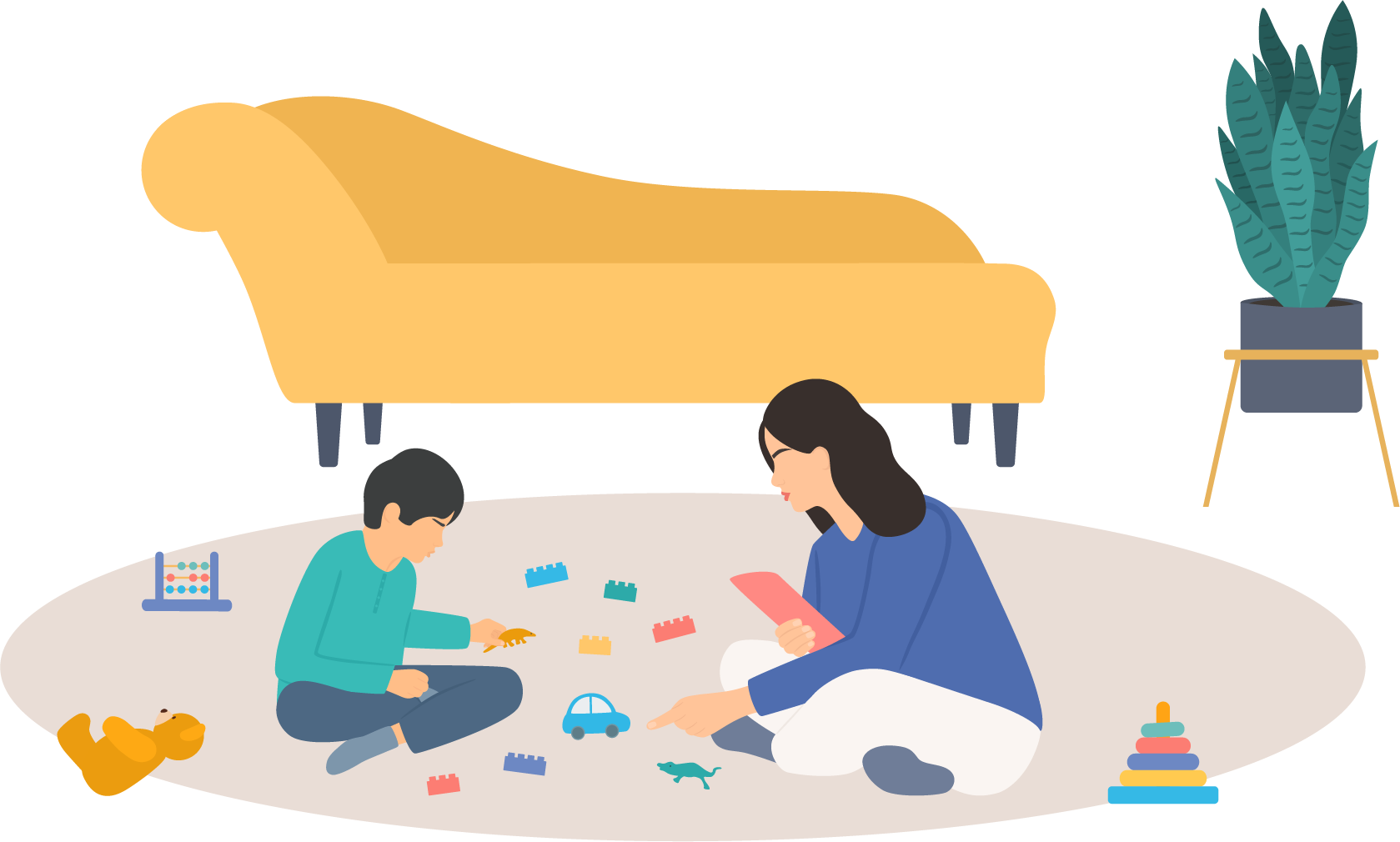
Woman and child playing with toys on floor; a couch and plant are in the background.
Discover More

PLAY therapy provides a safe and nurturing space where young individuals can explore their feelings, develop coping strategies, and learn valuable skills to navigate the complexities of their lives, empowering them to overcome obstacles and thrive. We also offer Neurodivergent Support!

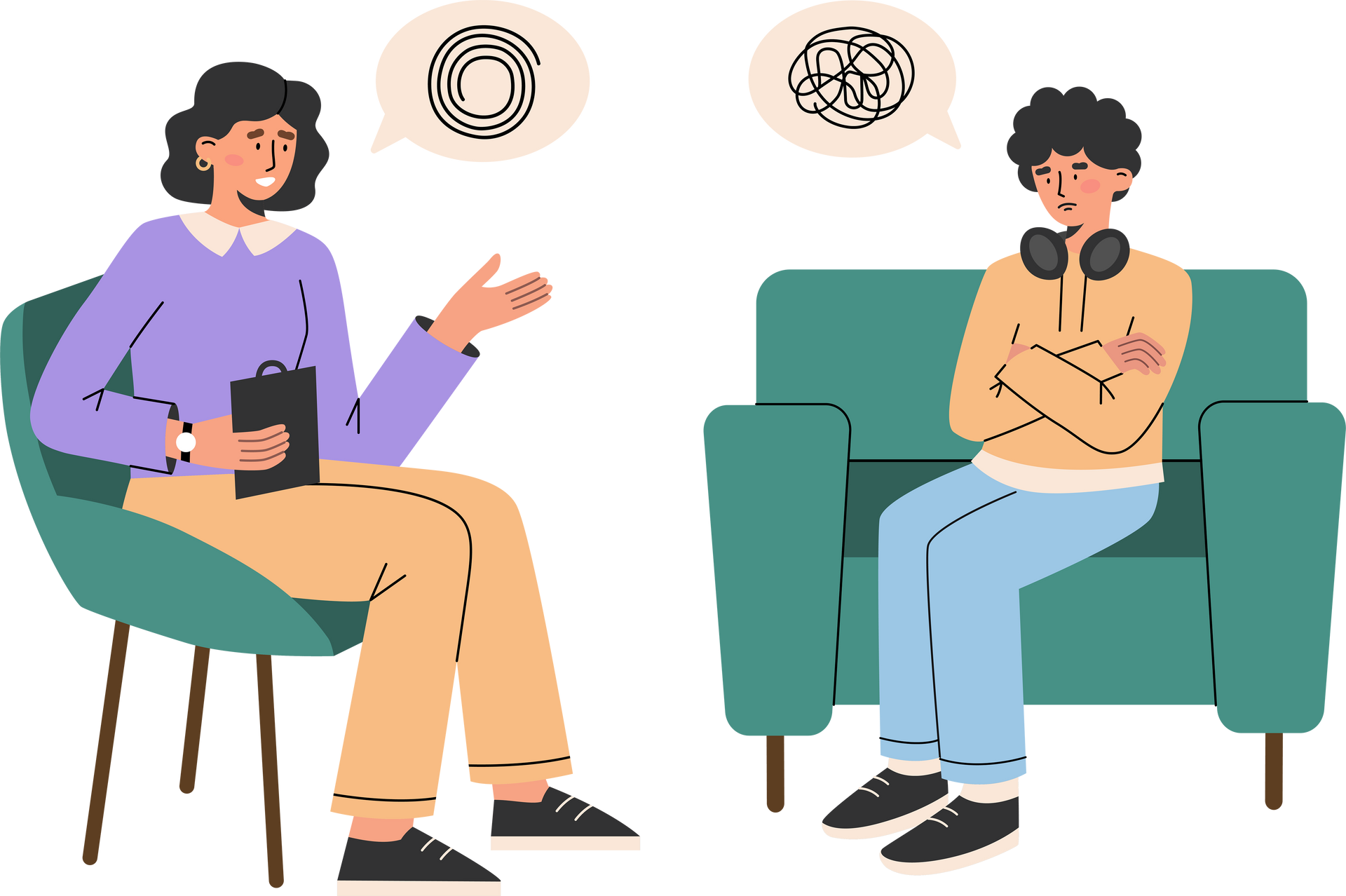
Therapist in purple top and patient in orange hoodie, in a counseling session. Both have thought bubbles.

Tweens & Teens Therapy

Discover More

Therapy for teens offers a confidential and empathetic environment where adolescents can openly express their thoughts and emotions, develop healthy coping mechanisms, and acquire valuable tools to navigate the unique challenges of adolescence and foster personal growth.

Therapist taking notes while patient reclines on a coral couch, gesturing with hand.

Adults & Couple's Therapy

Discover More

Adult therapy offers a confidential and empathetic space for to dig deeper into emotions, confront challenges, and cultivate coping mechanisms, fostering personal growth, self-awareness, and overall psychological well-being as you navigate life's complexities.

Woman and child playing with blocks; building a tower. Clock on the wall.
Discover More

We provide genetic testing, wellness optimization, and peptide therapy services designed to uncover factors influencing your health. Through expert guidance and targeted recommendations, we help clients build resilience, improve vitality, and achieve lasting wellness outcomes.

Hello

I'm Dr. Kimberly Seheult

EdD, LPC, CPCS, RPT, EMDR

Welcome to East Cobb Counseling!

As the Founder and CEO, my mission is to help people develop mental toolkits to thrive. It is my belief and experience that we get more out of life when we free ourselves from limiting beliefs, and honor our authenticity. By embracing our hardships and vulnerability, we enter into a transformative journey into self-discovery!


Just as you strengthen or flex your muscles to grow stronger, you, can also learn to build resilience, flex your mind and get mentally healthier! 


Therapy is an important step in discovering the world around you and finding your place in it. 

More About Me

Therapists & Counselors


Woman with dark hair, smiling, wearing a white turtleneck sweater.
Dr. Kimberly Seheult
EdD, LPC, CPCS, RPT, EMDR

I am a licensed private-practice psychotherapist with 20+ years of experience successfully guiding clients of all ages through severe anxiety, depression, trauma, substance abuse, relationship conflicts, OCD, PTSD, ADD, and various mood disorders.
More on Kimberly

Man in blazer and blue shirt smiles, seated indoors.
Dr. Stephen Wise
PsyD, LPC, CCTP

In his "encore career" Dr. Wise has enabled adolescents, adults, couples, and seniors to heal from the struggles that have followed them and disrupted their lives. His practice focuses on trauma, PTSD, depression, anxiety, self-esteem issues, ADHD, and LGTBQ+ issues.
More on Steven

Woman with short gray hair smiles in a white collared shirt, indoors.

Robyn   Gruber

MS, LPC, NCC, CPCS, EMDR


For over 18+ years , Robyn has helped adults of all ages overcome anxiety disorders, bipolar disorders, depression, dissociative disorders, divorce, domestic violence, OCD, PTSD, sexual abuse, trauma and more. She is also is a EMDR therapist.

More on Robyn

Man with dark hair and full beard smiling, wearing dark shirt; blurred bookshelf background.
Shannon Mimbs
MACMHC, MDIV, LPC, NCC, CAMS

For 10+ years, Shannon has worked with diverse groups and individuals in a variety of clinical settings. He has successfully guided clients through relationship issues, anxiety, depression, ADHD, anger management, addictive behavior, trauma and more.
More on Shannon

Woman with dark hair smiles, wearing a purple sweater, white top, in an office setting.
Haleigh Bauldwin
MS, NCC, LAPC

For 5+ years, Haleigh has provided therapy to children and adolescents struggling with ADHD, ASD, anxiety, depression, and nervous system regulation. Her work is grounded in relational attunement and informed by Cognitive Behavioral Therapy, neuroscience, and expressive arts.
More on Haleigh

Man with graying hair and beard smiles, wearing a black shirt, indoors with a window and lights.

Dr. Alex Ayvazian

PhD, MS, LPC, NCC


For 6+ years , Alex has worked with diverse groups and individuals in a variety of clinical settings. He has successfully guiding clients ages 17-64 through severe anxiety, depression, trauma, substance abuse, relationship conflicts, OCD, PTSD, ADD, and various mood disorders.

More on Alex

Smiling person with dark hair in a black top, indoors.

Laura Lim Sang

MSW, LCSW, EMDR


Laura has facilitated transformative experiences for youth, teens and adults facing trauma and other mental health challenges, especially those with special needs, and sports related stressors. She uses expressive arts in her practice and holds certifications in EMDR, Eating Disorders, and Cognitive Behavioral Training. 

More on Laura

Woman with blonde hair smiling in a room; a couch and window in the background.

Charlotte Krupa-Diament

MS, NCC, LAPC


Charlotte approaches therapy through a compassionate, collaborative, and evidence-based lens while also emphasizing holistic, whole-person care. She integrates Cognitive Behavioral Therapy (CBT), Dialectical Behavior Therapy (DBT), Relational-Cultural therapy, and mindfulness-based practices to creating meaningful change.

More on Charlotte

Woman with blonde hair smiling in a room; a couch and window in the background.

Laurel Clayton

MHC, 3x4 Genetic Practitioner


Laurel is a Certified Health Coach & 3x4 Genetic Practitioner,  who focuses on the practice of developing Deep Heath with her clients using  a GSPA (Goals, Skill, Practices, Actions) approach which promotes a personalized and holistic view of wellness and whole food nutrition through incremental skill building.

More on Laurel

Testimonies


Quotation marks, black on white.
Dr. Kim a truly gifted therapist! She is compassionate, knowledgeable, empathetic, and has supportively challenged me in the ways that align with my goals. She possesses an innate skill of reading between the lines, noticing patterns, and picking up the subtle nuances that mark my real issues. She has great insight into what might be going on with me in a particular session and she allows me to come to conclusions in my own time. I have learned so much about myself during my time with Dr. Kim and am a better version of myself for having worked with her. I would recommend her time and again.

Virginia


Opening quotation marks.
Dr. Seheult changed my life! She helped me understand why the people with whom I had problems acted the way they did and directed me in how to deal with them, which resulted in better relationships and communication with these people. I went from being hopeless, scared, and unhappy to hopeful, secure and happy! She is extremely knowledgeable, experienced, goal-oriented, and honest. Her approach makes her the best (of 4) therapist I have ever had. I can't say enough good things about her. I love, love, love her and would have pain double for her services!

Lani


Double quotation mark.
Absolutely best therapist I’ve ever had. Truly listens to me, and everything I have going on no matter how big or small. She has gone above and beyond numerous times to remember even little details weeks later. Never once did I feel like she told me what I “wanted” to hear, but instead told me what I NEEDED to hear. I could not recommend nor respect Dr. Kimberly enough. I have a lot going on in my life, but I can confidently say that I am the happiest and most secured mentally I have ever been. I would give more stars if I could.

Isac

Recent Blogs

By Laurel Clayton-Seheult • October 27, 2026
Adulting Is Hard. Therapy Makes It Easier to Navigate. Anxiety. Relationships. Body image. Social media. Career pressure. And the exhausting expectation that you should somehow have everything figured out. Remember when becoming an adult sounded like freedom? Now there's rent, career decisions, complicated relationships, financial pressure, and the realization that nobody is coming to make your dentist appointment for you. Welcome to adulthood. If you're between 18 and 28, you're navigating one of life's biggest transitions. And despite what Instagram, TikTok, and that ridiculously successful person from high school suggest, very few people have it all figured out. The good news? You're not supposed to. The Pressure to Have a Plan By your early 20s, you're somehow expected to know what you want to do professionally, who you want to be romantically, where you want to live, and how to pay for all of it. Meanwhile, your interests are changing, friendships are evolving, and the career you thought you wanted at 18 might not look so appealing at 24. It's easy to feel behind when everyone around you seems to be moving forward. But here's the reality: There's no universal timeline for getting your life together. Therapy can help you separate what you genuinely want from what you think you're supposed to want. That distinction matters more than you might realize. Anxiety: When Overthinking Becomes a Full-Time Job Replaying conversations. Second-guessing decisions. Worrying about the future. Feeling exhausted before the day even begins. Sound familiar? Anxiety doesn't always look like panic attacks. Sometimes it's perfectionism, procrastination, people-pleasing, or constantly wondering whether you're making the wrong choice. And while some uncertainty is normal, living in a constant state of worry shouldn't be your default setting. Therapy helps you recognize thought patterns, manage stress, and respond to challenges without mentally rehearsing every possible worst-case scenario. You can't control everything. But you can change how you handle uncertainty. Body Image: When Looking Good Starts Feeling Like a Requirement Between filtered selfies, gym transformations, skincare routines, weight-loss trends, and endless “what I eat in a day” videos, it's easy to feel like your body is another project that needs constant improvement. Be thinner. Be stronger. Have perfect skin. Look effortless. But also work really hard at looking effortless. It's exhausting. Body image concerns aren't limited to one gender, body type, or age. They can affect confidence, relationships, eating habits, and how comfortable you feel in your own skin. And sometimes what starts as wanting to be healthier turns into obsessive comparison, restrictive eating, or feeling guilty every time you skip a workout. Your appearance is not your résumé. Your worth isn't measured in pounds, likes, or how you look in someone else's photo. Therapy can help you develop a healthier relationship with your body, challenge unrealistic expectations, and build confidence that goes deeper than the mirror. Social Media: Everyone Else Is Thriving. Allegedly. Someone you graduated with just got promoted. Someone else bought a house. Another friend is getting married in Italy. And you're wondering whether you chose the right major. Social media makes it remarkably easy to compare your everyday reality with someone else's carefully edited highlights. But it's not just comparison. There's also the pressure to be attractive, interesting, successful, socially active, and constantly available. Even your downtime can start to feel like something you should be documenting. The result? You can be making perfectly reasonable progress and still feel like you're failing. Your life doesn't need to look impressive online to be meaningful offline. Therapy can help you develop a stronger sense of identity, healthier digital boundaries, and confidence that doesn't depend on external validation. Relationships, Dating, and the Art of Setting Boundaries Dating apps. Situationships. Ghosting. Friendships that suddenly feel one-sided. Family members who still treat you like you're 15. Relationships during young adulthood can be complicated because you're still figuring out who you are and what you need from other people. Maybe you struggle to say no. Maybe you avoid difficult conversations. Maybe you keep finding yourself in the same unhealthy relationship patterns. Or maybe you're tired of trying to decode someone's intentions through the timing of their text messages. Therapy can help you understand relationship patterns, communicate more effectively, recognize red flags, and establish healthier boundaries. Having boundaries doesn't make you difficult. It means you're learning to respect yourself. And no, you don't owe everyone immediate access to your time and energy. Alcohol, Substances, and the Pressure to Keep Up Let's talk about something that doesn't always make it into the polished version of young adulthood. Drinking, marijuana, vaping, and experimenting with other substances can become part of the social landscape, particularly during college and the years that follow. For some, it's occasional recreation. For others, substances become a way to manage anxiety, fall asleep, escape uncomfortable emotions, or feel more comfortable socially. The tricky part? It's not always obvious when having fun starts becoming a coping mechanism. If you need a few drinks to feel confident, rely on weed to unwind every night, or find yourself using substances to avoid dealing with stress, it may be worth asking why. Alcohol and other substances can also worsen anxiety, disrupt sleep, and affect mood. The question isn't always “Do I have a problem?” Sometimes it's “What am I trying not to feel?” Therapy offers a judgment-free space to explore those patterns, make informed choices, and develop healthier ways to cope. Anger, Irritability, and Feeling Constantly on Edge Not every mental health struggle looks like sadness or anxiety. Sometimes it looks like snapping at people you care about, getting irritated over small things, feeling constantly defensive, or having a short fuse you can't quite explain. Anger can be connected to stress, anxiety, depression, unresolved experiences, or feeling powerless in situations you can't control. And when you're juggling work, school, relationships, finances, and expectations, that frustration can build quickly. Anger itself isn't necessarily unhealthy. It's an emotion that can tell you something important. What matters is what you do with it. Therapy can help you understand your triggers, regulate intense emotions, communicate frustration constructively, and address what's happening beneath the surface. Because constantly being on edge isn't a personality trait you have to accept. Burnout: When You're Running on Empty at 23 Burnout isn't reserved for executives with corner offices. It can happen when you're balancing classes, work, internships, family expectations, relationships, and the pressure to build an impressive future. Or when you're working full-time, barely covering your expenses, and wondering why you're exhausted even after sleeping eight hours. You might feel unmotivated, disconnected, overwhelmed, or guilty whenever you're not being productive. And our culture doesn't exactly make slowing down easy. There's always another goal, another opportunity, another person apparently accomplishing more. Being busy isn't the same as being fulfilled. And being exhausted isn't proof that you're succeeding. Therapy can help you recognize unhealthy patterns, manage expectations, and create a more sustainable balance between ambition and well-being. You Don't Have to Be in Crisis to Benefit From Therapy One of the biggest misconceptions about therapy is that something has to be seriously wrong before you make an appointment. It doesn't. You can be doing well in school, holding down a job, maintaining friendships, and appearing perfectly fine while privately feeling overwhelmed, insecure, angry, or stuck. Therapy isn't just about working through problems. It's also about understanding yourself and developing the skills to navigate life more effectively. It can help you: Manage anxiety, stress, and overthinking. Improve body image, self-esteem, and confidence. Navigate dating, friendships, and family relationships. Explore alcohol or substance use without judgment. Understand anger and regulate difficult emotions. Work through college, career, and life transitions. Set boundaries and make decisions with greater clarity. You don't need a diagnosis or a dramatic explanation for why you're seeking support. Sometimes “I'm tired of feeling this way” is reason enough. Adulting Is Hard. You Don't Have to Figure It Out Alone. Your late teens and 20s are a time of growth, independence, experimentation, and figuring out who you want to become. That process isn't always comfortable, and it certainly isn't linear. You can be successful and still feel anxious. Have great friends and still feel lonely. Love your body one day and struggle with it the next. Be excited about your future and terrified of it at the same time. That's real life. At East Cobb Counseling & Wellness , we help young adults navigate anxiety, relationships, body image, confidence, emotional challenges, and life's inevitable curveballs. Our therapists offer a supportive, judgment-free environment for honest conversations and practical strategies that help you move forward. Located in Marietta, Georgia, across from East Cobb Park, we serve young adults throughout East Cobb, Roswell, and surrounding communities. You don't need to have all the answers. You just need a place to start. Explore Young Adult Therapy at East Cobb Counseling Adulting is hard. Getting support shouldn't be.

By Laurel Clayton-Seheult • October 21, 2026
Stop chasing wellness trends. Start understanding the science of you . We're living in the golden age of wellness. We track our sleep, count our steps, monitor our glucose, take our supplements, and explore the latest breakthroughs in cellular health, longevity, and human performance. There's never been more science at our fingertips. And somehow, there's never been more guesswork. We spend hundreds, sometimes thousands, of dollars trying to optimize our health without first understanding the biology we're trying to optimize. We're investing in the upgrades before we've read the owner's manual. And that might be the most expensive mistake in modern wellness. Your Genes Aren't Your Destiny. They're Your Starting Point. Every one of us arrives with a unique genetic blueprint. Not a prediction of everything that will happen to us, but a collection of biological tendencies that influence how our bodies respond to nutrition, stress, exercise, inflammation, and the environment around us. Some people metabolize certain nutrients more efficiently. Others carry genetic variations associated with antioxidant defenses, cholesterol metabolism, or inflammatory signaling. Two people can eat the same foods, follow the same workout, take the same supplements, and walk away with remarkably different results. Same effort. Different biology.
By Laurel Clayton-Seheult • October 15, 2026
Adult ADHD: Why Your Brain Works Differently—and How to Support It Naturally Beyond medication: Exploring the connection between brain chemistry, nutrition, genetics, emotional regulation, and emerging cognitive-support therapies. For many adults, ADHD doesn't look like the stereotypical image of someone who can't sit still. It looks like a successful professional who struggles to finish projects. A parent who manages everyone's schedules but constantly forgets their own appointments. A woman who appears organized on the outside but feels mentally exhausted from trying to keep everything together. Adult Attention-Deficit/Hyperactivity Disorder (ADHD) is more than difficulty concentrating. It's a neurodevelopmental condition that affects executive functioning, emotional regulation, motivation, working memory, and the ability to manage everyday demands. And for many adults, particularly women, ADHD can go unrecognized for decades. The encouraging news? ADHD doesn't have to define your potential. With the right combination of behavioral strategies, nutrition, lifestyle support, and individualized treatment, adults with ADHD can develop systems that work with their brains rather than against them. Adult ADHD: It's Not a Lack of Motivation One of the most misunderstood aspects of ADHD is the assumption that people simply need more discipline. In reality, ADHD involves differences in brain networks responsible for attention, inhibition, motivation, and executive functioning. Two important neurotransmitters are: Dopamine: Involved in motivation, reward processing, reinforcement learning, and goal-directed behavior. Norepinephrine: Supports alertness, attention regulation, and the ability to prioritize relevant information. ADHD is not simply a deficiency of either neurotransmitter. It involves complex differences in how brain networks regulate and use these chemical signals. This helps explain why someone with ADHD may spend hours deeply focused on an interesting project yet struggle to begin a relatively simple administrative task. The challenge isn't necessarily knowing what needs to be done. It's consistently translating intention into action. Signs of ADHD in Adults That Often Go Unnoticed Adult ADHD can present differently from childhood ADHD. Common experiences include: Difficulty initiating tasks, even important ones Frequently losing track of time or underestimating how long tasks will take Feeling overwhelmed by competing priorities Forgetfulness and difficulty with working memory Interrupting conversations or making impulsive decisions Emotional frustration and difficulty recovering from setbacks Periods of intense focus followed by mental exhaustion Trouble transitioning between activities Chronic procrastination despite genuine motivation Some adults also experience heightened sensitivity to perceived criticism or rejection, sometimes described as rejection sensitive dysphoria. Although this term is widely used, it is not a separate formal diagnosis. ADHD frequently overlaps with anxiety, depression, and sleep difficulties, which can complicate diagnosis. A comprehensive evaluation is important because chronic stress, inadequate sleep, thyroid disorders, mood conditions, and other medical issues can produce similar symptoms. The ADHD Brain Needs More Than Another To-Do List Supporting ADHD means addressing the underlying challenges while building an environment that reduces unnecessary demands on executive functioning. Here are seven areas worth prioritizing.